


HEMA-free gel polish: allergies, labels and the UK rules
HEMA-free gel polish is gel made without HEMA (2-hydroxyethyl methacrylate), the acrylate most often linked to allergic reactions to nail products. Choosing HEMA-free gel avoids that ingredient, but it doesn't remove the risk: other acrylates in the formula can also cause reactions, and most reactions start when uncured gel touches the skin, so technique matters as much as the formula. In Great Britain, nail products containing HEMA or Di-HEMA trimethylhexyl dicarbamate are for professional use only. TPO, a common gel ingredient, can no longer be placed on the market in cosmetics from 15 August 2026, and existing stock can only be sold until the end of 14 February 2027.
What HEMA is and why it's used
HEMA is a methacrylate, one of the building blocks of many gel polishes, builder gels and other artificial nail products. Under the lamp it bonds with the other ingredients to form a hard, glossy film. Before it is cured, it can sensitise the skin. Labels may also mention:
- Di-HEMA trimethylhexyl dicarbamate: a related ingredient that is regulated in the same way as HEMA in nail products.
- HPMA (hydroxypropyl methacrylate): another methacrylate. In patch tests at UK and Irish dermatology units, reported by the British Association of Dermatologists, it was the next most common acrylate to cause a reaction after HEMA. Some ranges, such as Gelluv Intense, are labelled HEMA, HPMA and TPO free.
- TPO (trimethylbenzoyl diphenylphosphine oxide): a photoinitiator that helps gel cure, now prohibited in cosmetics in Great Britain (see below).
Why gel nail allergies happen
Allergies to nail acrylates develop when uncured product gets onto the skin. Once someone is sensitised, the allergy is life-long and may affect future medical or dental treatments that use similar materials, as the CTPA explains. The main causes are:
- gel flooding onto the cuticles or side walls, or touching the skin before it is cured
- under-curing, from the wrong lamp, too short a cure, layers that are too thick or an ageing lamp
- touching the sticky layer, brushes, bottle necks or used wipes with bare skin
- using professional products at home without training
Nail technicians are at particular risk because they handle uncured product every day. A reaction usually shows as itchy, dry, cracked or blistered skin, which can look red on lighter skin and dark brown, purple or grey on darker skin. It often starts around the nails and fingertips, but it can appear wherever uncured product has touched, including the face.
Does HEMA-free mean allergy-free?
No. HEMA-free gels still rely on other acrylates to cure, and Trading Standards warns that products sold as HEMA-free can contain other strong acrylates. Someone who has already reacted to gel may react to a HEMA-free gel too, so they should get advice before having more gel or acrylic services. For everyone else, HEMA-free gel is a sensible way to avoid the ingredient most often linked to reactions, but it still needs the same careful technique.
How to reduce the risk
- Keep gel off the skin. Work in thin coats and avoid the cuticles and side walls. If gel touches the skin, wipe it off before curing, as Gelluv's instructions advise.
- Cure fully under the matched lamp. Use the lamp and cure times the gel brand recommends, cure every layer for the full time, and replace a lamp that is losing power. Our UV vs LED nail lamp guide explains how to match a lamp to your gel.
- Wear nitrile gloves. The British Association of Dermatologists advises nail technicians to wear nitrile gloves, change them every 30 minutes and use a no-touch technique, and warns that latex and vinyl gloves don't protect against these chemicals. Agenda UltraFlex Nitrile Gloves are a practical everyday choice.
- Handle residue carefully. Remove the sticky layer with a cleanser and a lint-free wipe, keep bottle necks and lids clean, and bin used wipes straight away.
- Control dust. Filing gel and acrylic creates dust, and HSE recommends an extractor hood or down-draught table for nail work.
- Ask and record. At every consultation, ask about previous reactions, and note the products you use on a nail care record card.
If a client reacts
- Don't apply any more gel or acrylic until they have had advice.
- Record the reaction, the date and the products used on their record card.
- Suggest they speak to a pharmacist, and see a GP if the symptoms are severe or keep coming back, as the NHS guide to contact dermatitis advises.
- If you notice symptoms on your own hands, review your gloves and technique, and get the same advice.
The rules in Great Britain
HEMA and Di-HEMA trimethylhexyl dicarbamate
Under the UK Cosmetics Regulation, HEMA and Di-HEMA trimethylhexyl dicarbamate may only be used in nail products for professional use, and the packs must say "For professional use only" and "Can cause an allergic reaction". These restrictions have applied since 2021. Trading Standards advises consumers not to buy products containing either ingredient for home use.
TPO
TPO has been classified as potentially harmful to reproduction, which means it can no longer be used in cosmetics. In Great Britain, The Cosmetic Products Regulation (EC) No 1223/2009 (Restriction of Chemical Substances) (Amendment and Transitional Provisions) Regulations 2026 added TPO to the list of prohibited substances from 15 August 2026. Products placed on the market before that date may continue to be made available until the end of 14 February 2027. In the EU, TPO has been prohibited since 1 September 2025, and Northern Ireland already followed the same rule.
What this means in practice:
- Check the ingredient list, not just the front of the pack, for trimethylbenzoyl diphenylphosphine oxide, and ask your supplier if you're unsure.
- If you hold older stock that contains TPO, check the latest guidance from the Office for Product Safety and Standards or Trading Standards before deciding whether to keep using it.
- When you restock, choose gels labelled TPO-free. The list below shows which of our HEMA-free gels are also labelled TPO-free.
HEMA-free gels in our range
These products are labelled HEMA-free by their brands. Use the base coat, colour and top coat from the same system, and cure them under the lamp the brand recommends.
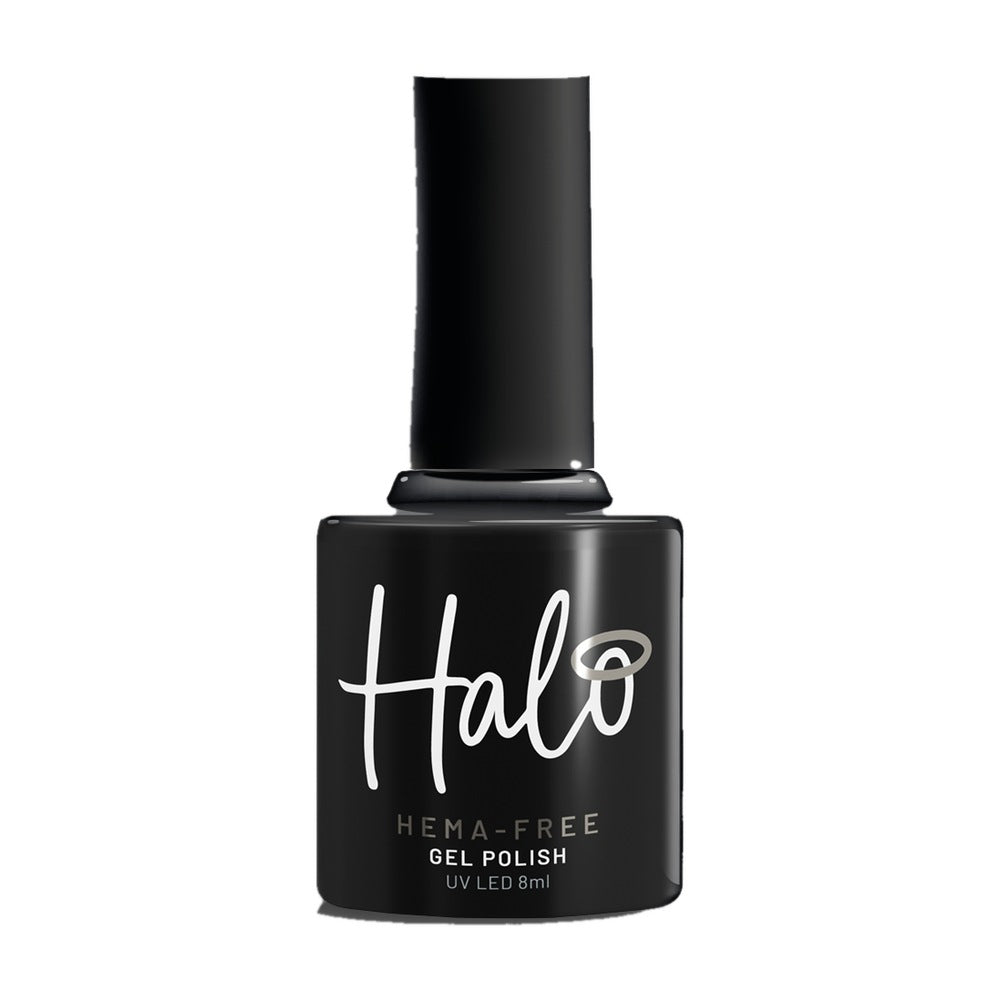
- Halo Gel Polish: HEMA, Di-HEMA and TPO free
- Halo Gel Polish Plus: HEMA and TPO free
- Glitterbels HEMA Free Gel Polish
- Gelluv Intense Gel Polish: HEMA, HPMA and TPO free
- Builder gels: Halo EasiBuild and Glitterbels Builder-bel Gel, both labelled HEMA and TPO free
Halo, Glitterbels and Gelluv also offer base and top coats labelled HEMA-free, so check each product's title and label. You can also browse all gel polish, builder gels and top and base coats.
This guide is general information for nail professionals, not legal advice. Rules change, so check GOV.UK and the product labelling for the current position, and always follow the manufacturer's instructions.


